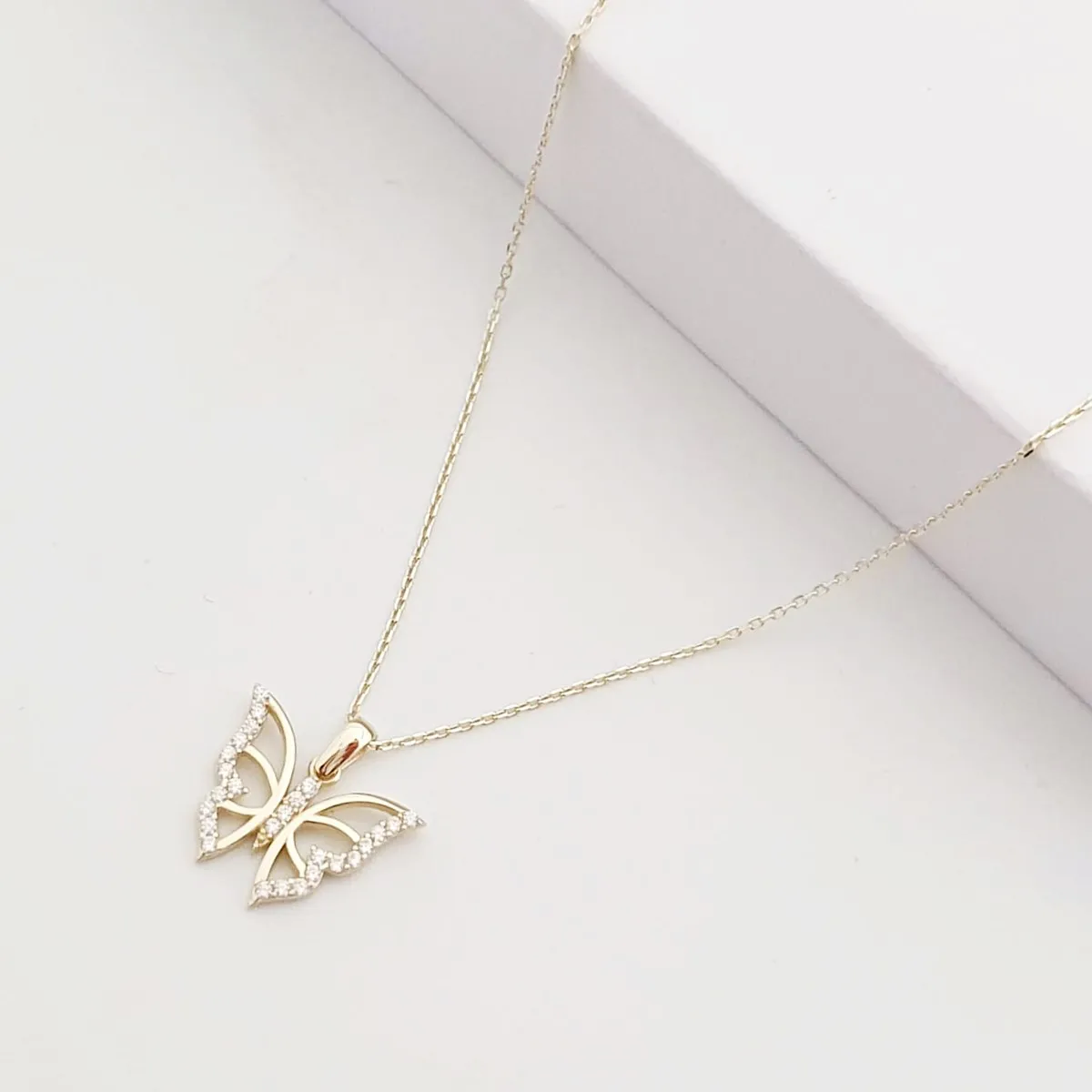
Taş Sandığı sells a pair of silver earrings for about 525 lira. The listing is titled Sentetik Zultanit Taşı Gümüş Küpe: synthetic zultanite stone, silver earrings. Mistik Atölye has a gold-plated necklace at roughly 103,900 lira, titled with the words Doğal Taş, natural stone. Those are the cheapest and the most expensive lira-priced zultanite listings in our catalogue, about two hundred times apart, and they come from the only two shops out of 37 that put "synthetic" or "natural" into a title at all. Prices are as we last read them; the jeweller's own page is the one that counts.
Mistik Atölye does one more useful thing: a ring titled Ham Zultanit Diaspor, raw zultanite, diaspore. Naming the mineral is nearly as good as saying "natural". The other 188 listings just say zultanit, sultanit or Sultan taşı and let you guess. This piece is about the guessing.
What the stone is
Zultanite is a trade name for gem-quality diaspore, an aluminium oxide hydroxide mineral. Diaspore by itself is not rare. It turns up in bauxite and metamorphic rocks in many countries, mostly as a dull industrial mineral. What is rare is diaspore clear enough and big enough to cut, and the source the gem trade knows best for that is a mountain deposit near Milas, in Muğla province in southwestern Türkiye.
The reason anyone cares is colour change. In daylight a good stone reads as a pale khaki or sage green. Under warm incandescent light or candlelight it slides towards pinkish champagne, sometimes a brownish rose. Not a traffic-light flip. A quiet, earthy shift. Bigger stones generally show the change more strongly than small ones.
"Zultanite" is a brand name, and so is "Csarite", another name used for the same Turkish material. I could not confirm who owns which mark or when, so I will not guess. In Turkish shops you will see zultanit, sometimes sultanit, and several shops call it the Sultan taşı, the Sultan stone.
That name does a lot of marketing work. There is a Fatih Sultan Mehmet zultanite ring at Ottoman Kuyumculuk and a zultanite ring engraved with a tuğra, the sultan's calligraphic monogram, at Sedef Gümüş. Fine as themes. But I have found no evidence that this stone was an Ottoman court gem, and the commercial trade in it is modern. The Sultan is in the name, not in the history.
The problem with the word
A great deal of what is sold as zultanit in Türkiye, in bazaars and online, is very probably not diaspore. It is a manufactured colour-change material, made to switch colour under different light and then sold under the famous local name. Some sellers say so. Many write only the word, often because that is simply what the trade calls the stuff.
As far as I know, nobody grows diaspore commercially. So "synthetic zultanite" is usually not a lab-grown version of the same mineral, the way lab-grown diamond is diamond. It is a different material copying the effect; glass, cubic zirconia and synthetic corundum are the usual candidates.
None of that makes a cheap colour-change ring a fraud. A 700-lira silver ring with a manufactured stone that turns from green to pink at dinner is a perfectly good thing to own, if you know that is what it is. The trouble starts when the price asks you to believe it is something else.
Our own numbers show how little the titles tell you. Across the 192 listings in the catalogue that use one of these names:
- 51 titles say renk değiştiren, colour-changing. That describes the effect, not the material.
- 1 title says doğal, natural. 2 say sentetik.
- Not one mentions a certificate (sertifika) or a gemological report.
- Not one states a carat weight. A few give dimensions in millimetres.
Then the prices. Of the listings with a lira price, the median is about 2,725. Rings are the largest group at 79 listings, and the middle half of the lira-priced ones sit between about 2,150 and 6,150 lira. Most of what you pay for there is silver and labour. It tells you the market is not, on the whole, pricing these as natural gems.
How to tell, without a lab
You cannot be certain at home. You can collect enough signs to know which question to ask.
Watch where the colour goes. Natural zultanite moves between muted tones: green to champagne-pink. Many imitations switch more theatrically, to a clear purple, lavender or violet-blue. If the stone looks like a grape under one lamp and a lime under another, I would doubt it is diaspore. A tendency, not a law.
Look for doubling. Diaspore is strongly doubly refractive. In a stone of reasonable size, looking through the top with a 10x loupe, you can often see the back facet edges doubled, like a slightly misregistered print. Glass and cubic zirconia never do this. Synthetic corundum is doubly refractive too, but far more weakly, so the effect is much harder to see. A small stone, or one cut at the wrong angle, may not show doubling either, so seeing it is a good sign and not seeing it proves nothing on its own.
Look inside. Natural stones usually have something in them: fine needles, wisps, small fractures. Gas bubbles point to glass or to synthetic corundum grown in a flame. Curved growth lines, like faint arcs from a record groove, point to the flame-grown synthetic in particular.
Do the arithmetic. Much of natural diaspore rough is lost in cutting, partly because the mineral has a strong cleavage plane and splits along it under a bad knock. Cut natural stones are mostly modest in size, and big clean ones are priced accordingly. A large, flawless, strongly colour-changing stone at a bazaar price is one of the strongest warning signs there is. If the stone is the size of a fingernail and the ring costs less than a dinner out, you have your answer.
A gemological laboratory settles it. Refractive index and specific gravity, the stone's optical and density fingerprints, identify diaspore without guesswork, and Türkiye has labs that do this work. For anything sold as natural at a natural price, ask for a report that says diaspore and natural. A sentence on the shop's own card is not the same thing.
What to ask the jeweller
Three questions, politely, before you buy:
- Is this natural diaspore, or a manufactured colour-change stone?
- Roughly what does the stone weigh in carats?
- Is there an independent report for it?
A good shop answers the first one plainly either way. Taş Sandığı answers it in the title, which I wish more shops did. If you hear "natural" but get vague answers to the other two, treat the claim as unconfirmed and pay as if it were.
Wearing it
Zultanite, real or not, appears mostly in rings, necklaces and earrings, with some bracelets, sets and prayer beads. A good share of the rings are heavy silver men's pieces; 24 titles say erkek, men's. Some carry text. Kuyumcuzade Silver has two set with the phrase Kefâ bil-mevti vâizan, "death is enough of a preacher". It is not a Qur'anic verse; it is a saying traditionally associated with the seal ring of the caliph Umar. Whatever the words, look hard at how cleanly the letters are cut before you buy. If it is a verse you want, we wrote separately about wearing Qur'anic text.
Some sellers describe zultanite as calming or healing. That is a belief people hold about many stones. It has no bearing on whether the stone is real, and I would not pay extra for it.
Natural diaspore is softer than sapphire and has that cleavage plane, so a ring worn every day while lifting and carrying can chip or split. Take it off for heavy work. Skip the ultrasonic cleaner; warm water and a soft brush are enough. And the silver around any of these stones, cheap or expensive, should carry a 925 stamp.
If this feels familiar, the same pattern runs through amber and oltu stone. One word covers everything from a mined stone to a factory copy, and most sellers are not lying, just using the trade's words. Your job is to make them say which one they mean.