Turkish jewelry, up close
How these pieces are actually made, what the motifs mean, and what to look for before you buy — written with the workshops we work with.

Kehribar: Real Amber, Pressed Amber and the Fakes
What sıkma kehribar actually is, what ateş and damla mean on a Turkish listing, and which of the famous amber tests prove anything at all.
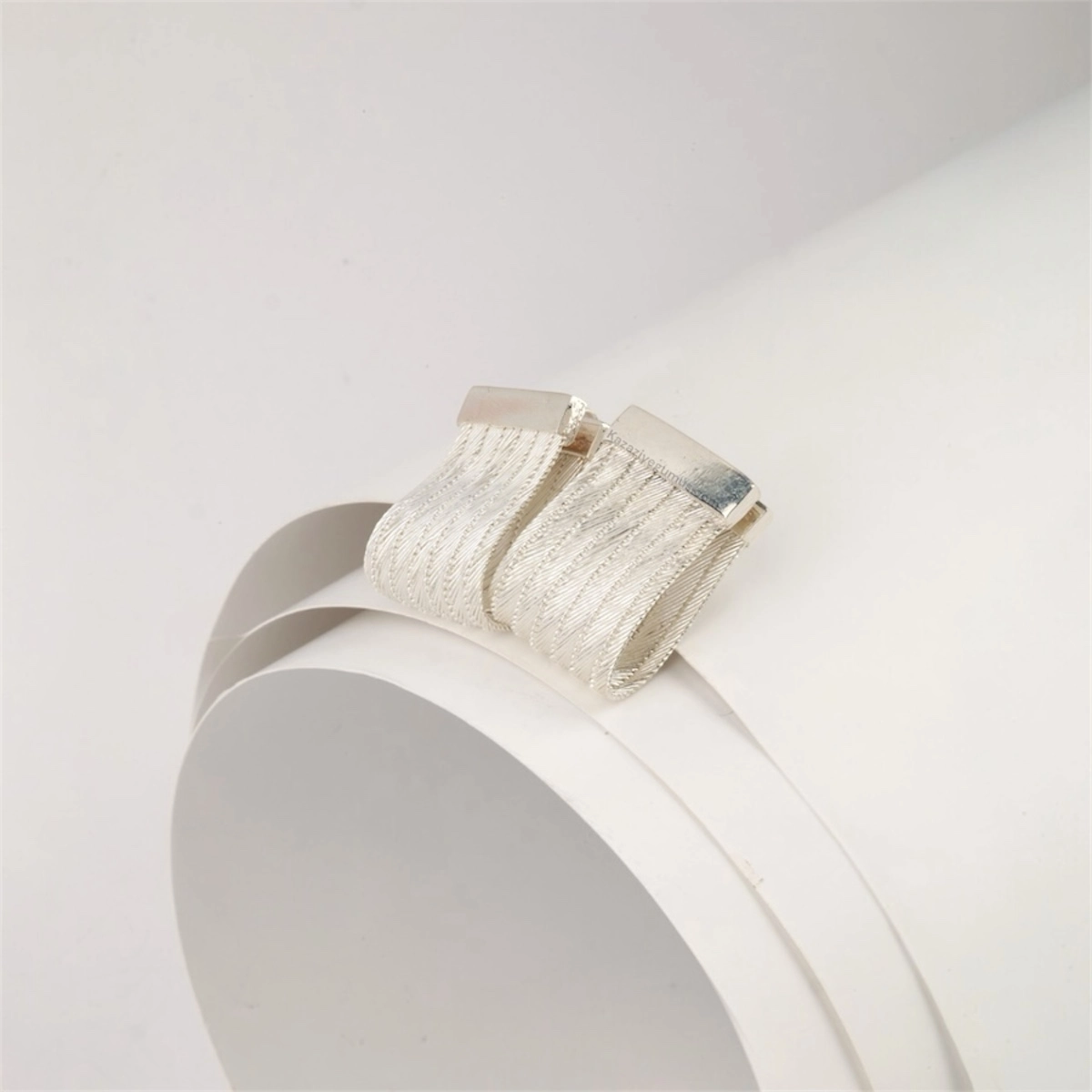
Kazaziye: The Woven Silver of Trabzon, Explained
What kazaziye is, how Trabzon hasırı is woven from hair-fine silver wire by hand, how it differs from telkâri, and what to check before you buy a piece.
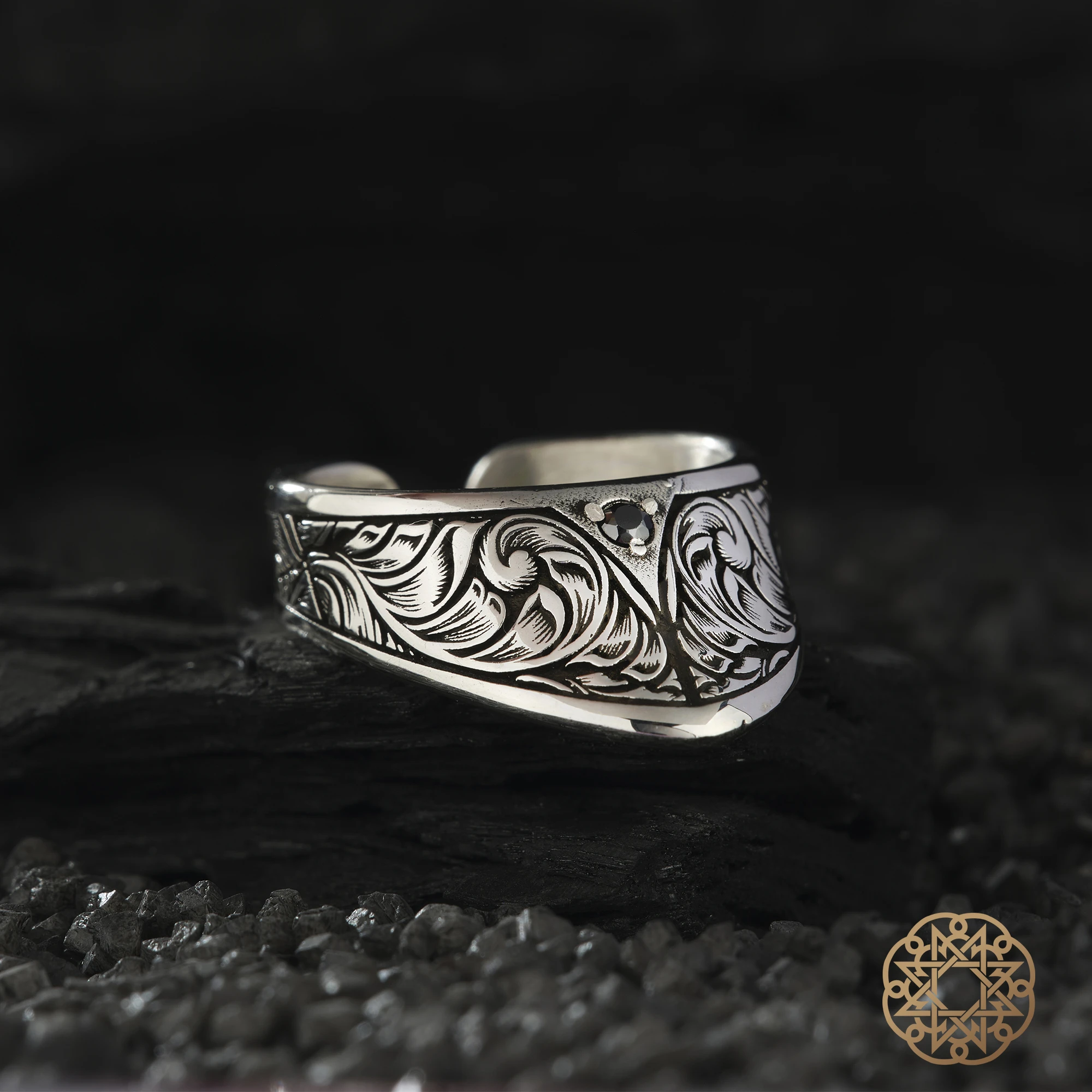
Zihgir: The Ottoman Archer's Ring, Explained
What a zihgir actually did on a Turkish bow, why it turned into a rank marker, and how to read the odd shape of a thumb ring before you buy one.
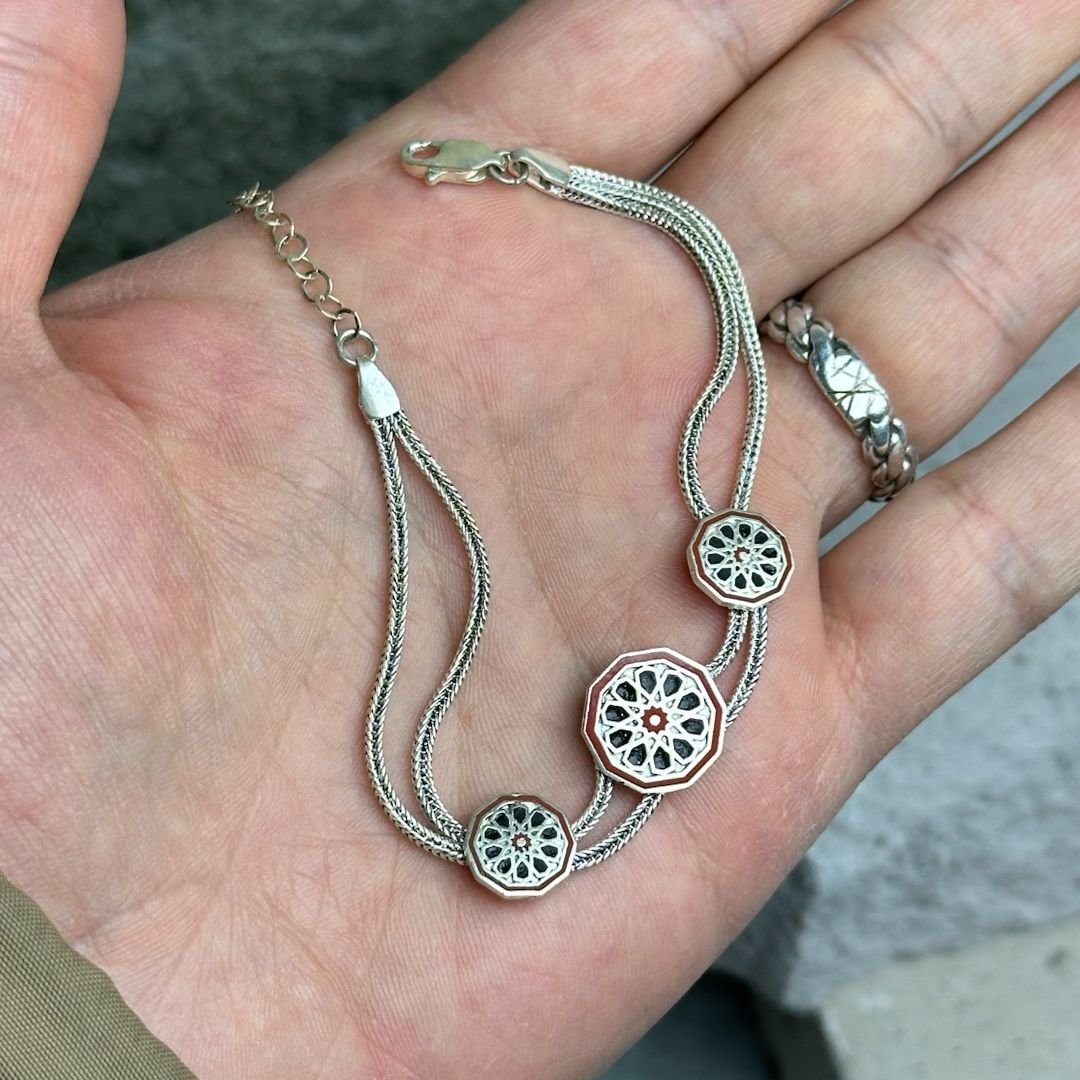
Turkish Telkâri: How Silver Filigree Is Actually Made
What telkâri is, how a Midyat bench turns silver into hair-thin wire, and how to tell hand-worked filigree from a stamped lookalike before you buy.
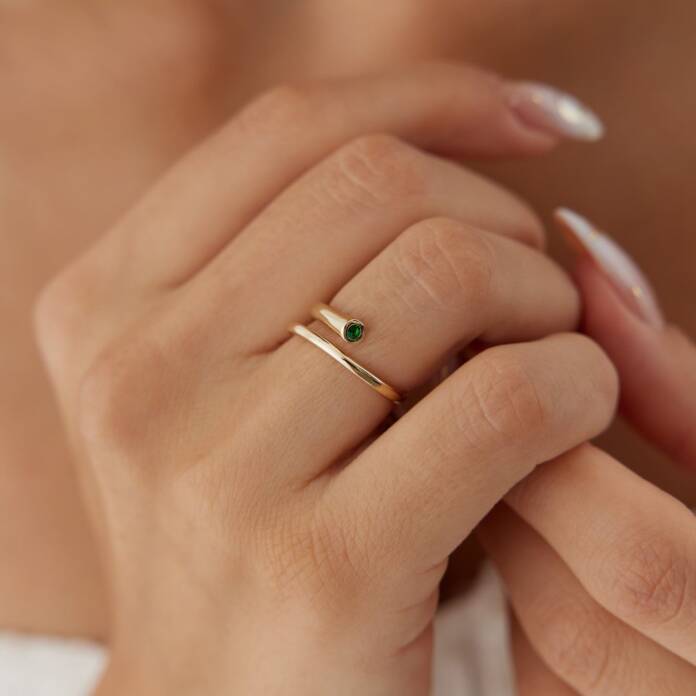
How to Read an Ottoman Tughra on a Silver Ring
The tughra was a sultan's signature, drawn by a specialist calligrapher. Its five parts, how to spot them on a ring, and why most tughra jewellery isn't one.
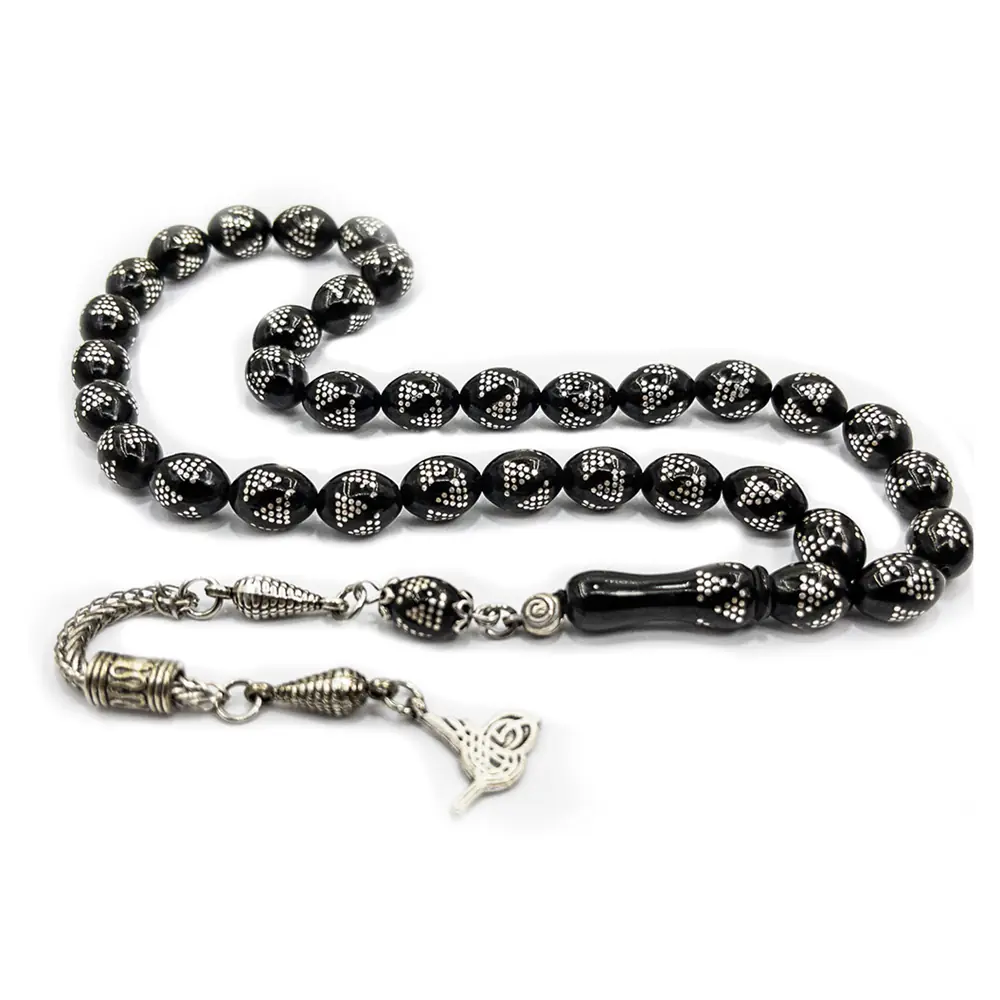
Turkish Prayer Beads and the Black Stone of Erzurum
How a tesbih is built, why Erzurum's oltu stone is the one collectors chase, and the simple tests that separate real oltu from moulded plastic.
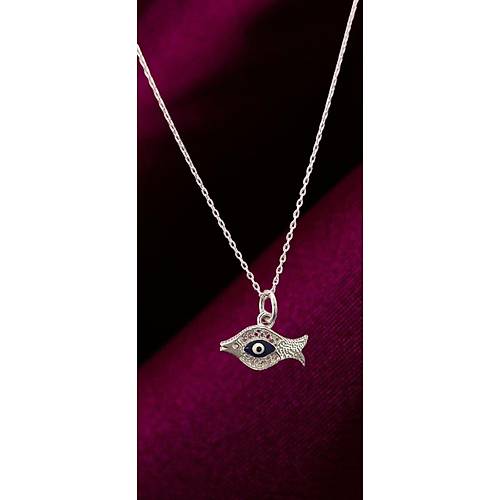
Nazar Boncuğu: Inside the Turkish Evil Eye Bead
Where the evil eye belief comes from in Anatolia, why the bead is blue, how the glass is still blown by hand near İzmir, and what breaking one means.
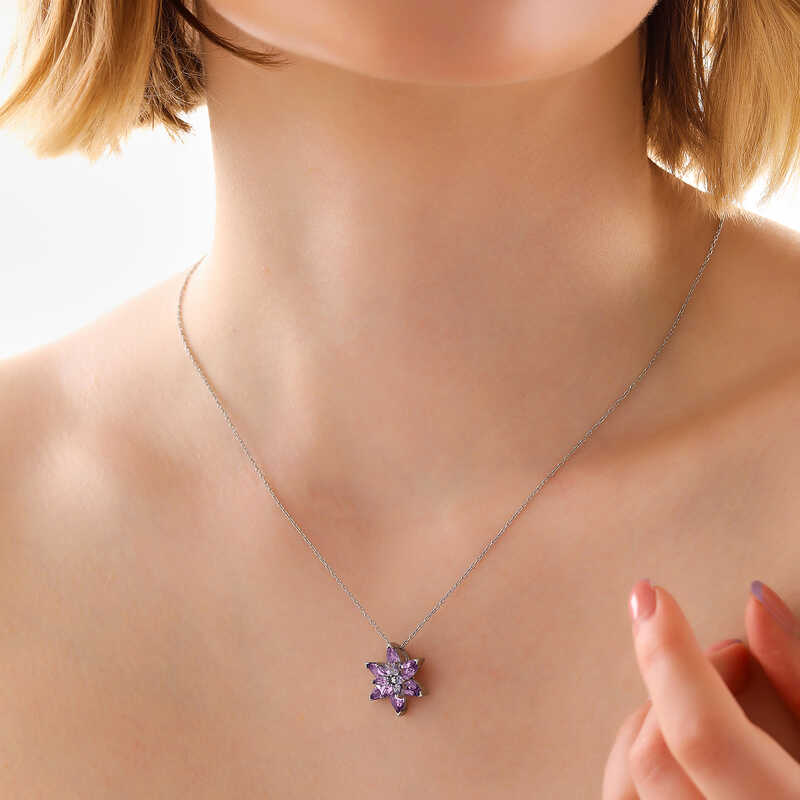
How to Tell If Silver Is Real: 925 Stamps and Home Tests
What 925 sterling silver actually means, which home tests for real silver work, which ones are folklore, and how to spot silver plate on sight.
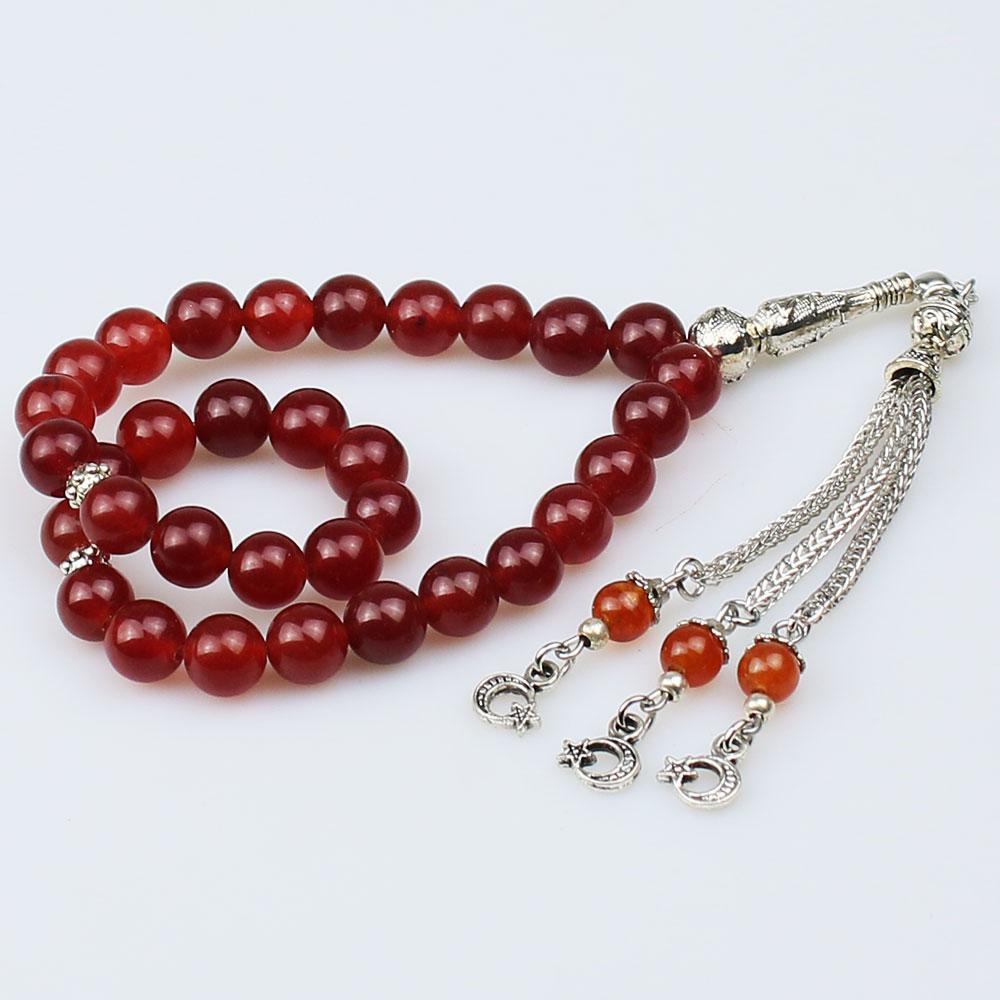
Ayat al-Kursi Jewellery, and How to Wear It Well
The Throne Verse in silver — what Qur'an 2:255 says, how Kufic and naskh script change the piece, and the etiquette question most sellers skip.